


You run a farm
Find out whether your farm is a fit.
Tell us what you farm, its scale, and where it is located. We will come back within five working days and, if it is a fit, arrange a visit.
See if your farm qualifies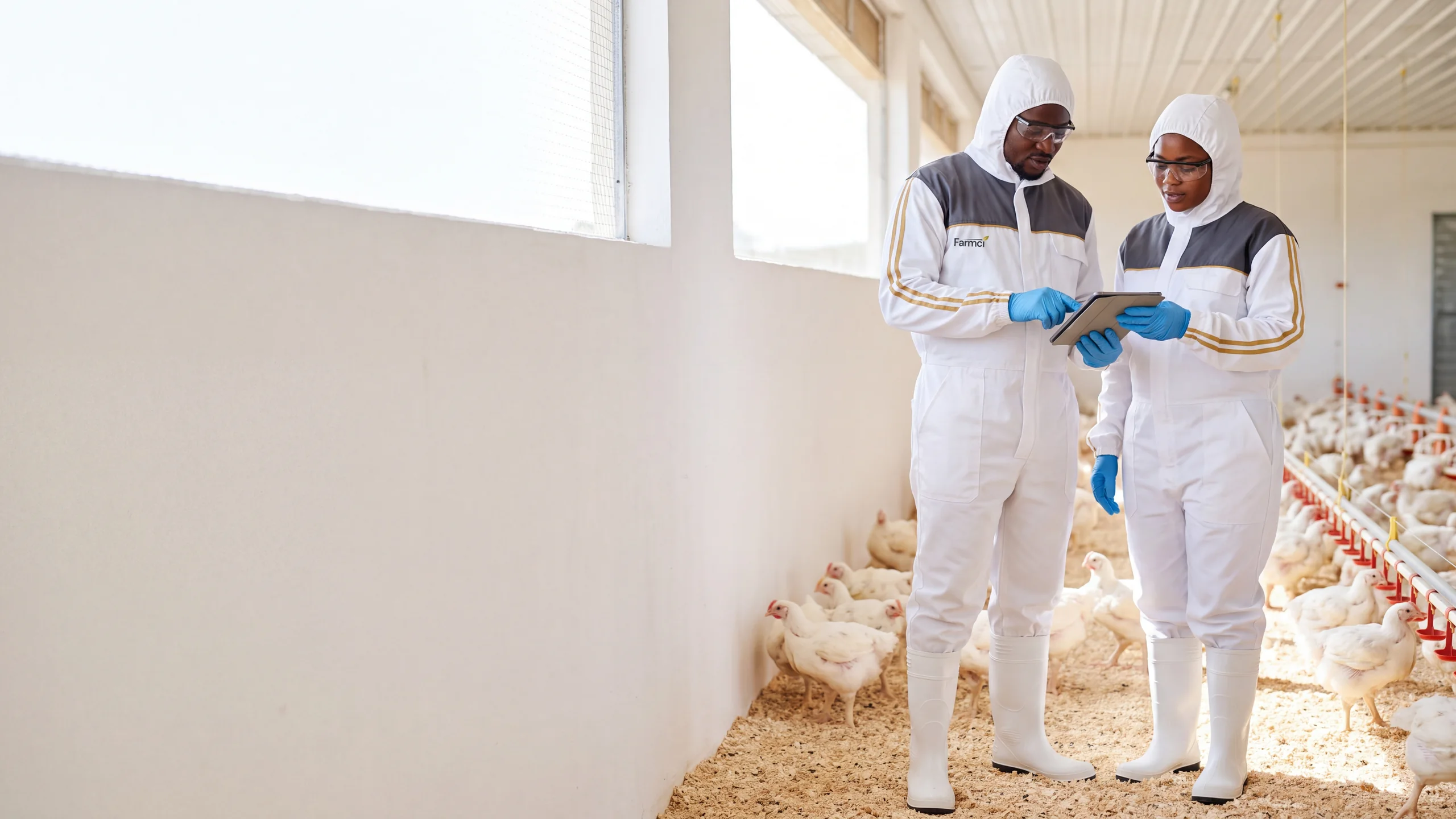
Farmci
The hard part is not finding capital. It is knowing which farm to lend to, on what terms, and how the risk moves after the money arrives. Farmci builds the record that answers those three questions, from the farm itself, every cycle.
Accelerator and programme partners
 by UNESCO x Nestlé
The problem
Banks lend against documents. Most Nigerian livestock farms cannot produce one, and not because they are badly run. Nothing about how they run is written down in a form a credit committee accepts, so a good farm and a failing farm look the same from the outside. That is a data problem before it is a money problem.
The size of what cannot be read
$32bn
Sector value
17%
Of agricultural GDP
30m
Livelihoods supported
How it works
Four stages, from readings taken on the ground to a document put in front of a credit committee. Collect, combine, model, evaluate.
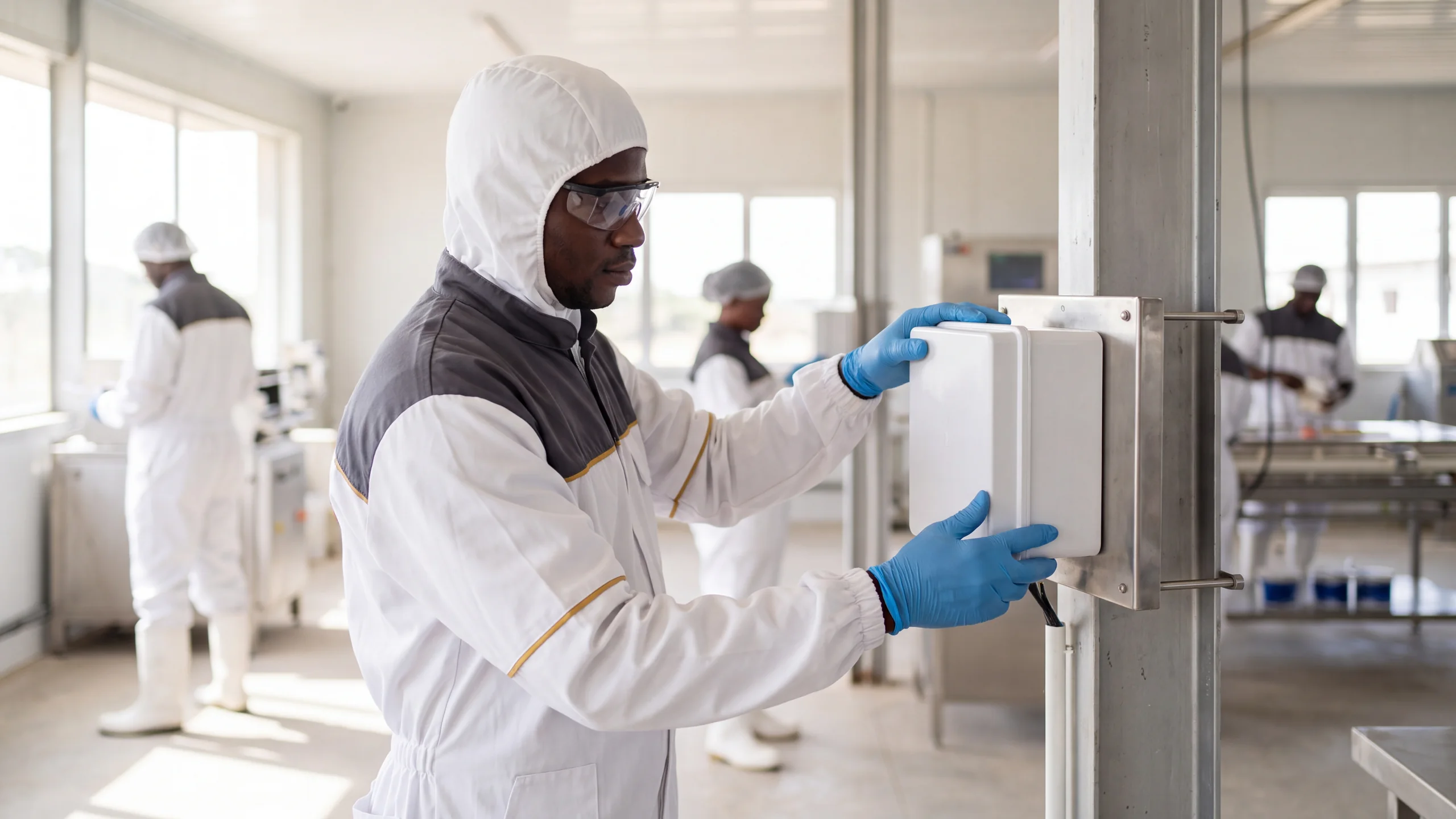
Sensors record the conditions a cycle depends on, from the day the animals arrive to the day they leave.
What was stocked, what was spent on inputs, and what the animals sold for, all against the same timeline.
Backspace turns a finished cycle into a plain account and sets it against farms running the same system.
Guarantor takes the Farmci Record to banks, insurers and development finance institutions and works out what they need to see.

What it is built from
Two ways in
The same record answers both of you. Take the door that is yours.
You run a farm
Tell us what you farm, its scale, and where it is located. We will come back within five working days and, if it is a fit, arrange a visit.
See if your farm qualifiesYou lend, insure or invest
Ask how the Farmci Record is built, what goes into it, and what it shows when a cycle goes wrong.
See how we assess a farm